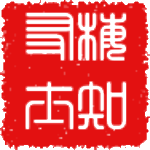
梅利王 Moy Lei Wong
梅利王 Moy Lei Wong
Nome kung fu de Leonardo Santos dos Reis.
Lei (利 lì / lei6) – Benefício, lucro, afiado.
Wong (王 wáng / wong4) – Rei, monarca.
Etimologia no Chinês#
利 (lì / lei6)#
Ver etimologia completa:
/notes/etimologia-de-lei-li/
禾 (hé / wo4) – grão, cereal 刂 (dāo / dou1) – faca
Colher o grão com a faca. O Shuowen Jiezi define 利 como 銛也, “afiado”, com 刀 (faca) e 禾 (grão) como componentes. O chardb lista 18 acepções, com 鋒利 (“cortante”) como def. 1. A lâmina que ceifa a colheita é o gesto do proveito: o que é afiado é útil, o que é útil é proveitoso.
王 (wáng / wong4)#
Ver etimologia completa:
/notes/etimologia-de-wong-wang-738b/
Pictograma. Três traços horizontais representam céu, humanidade e terra; o traço vertical que os une é o soberano. O Shuowen Jiezi define: 天下所歸往也, “aquele a quem tudo-sob-o-céu se dirige”. Dong Zhongshu acrescenta: 三畫而連其中謂之王, “três traços ligados pelo meio – isso é rei.” O chardb lista 16 acepções: desde 古代最高統治者的稱號 (“título do mais alto governante da antiguidade”, def. 1), passando por 首領同類中最突出的 (“líder, o mais destacado da sua espécie”, def. 4), 大 (“grande”, def. 5), até 匡正 (“rectificar”, def. 8), 統治領有一國或一地 (“governar, ter soberania”, def. 10), 勝過 (“superar”, def. 12) e 通旺興盛旺盛 (“variante de 旺: próspero”, def. 13). A def. 15 nota que 王 é a forma antiga de 玉 (“jade”), e a def. 6 preserva o uso como tratamento honorífico para a geração dos avós. O xiaoxue regista 28 formas: 5 oraculares (Shang), 10 bronzes (desde a dinastia Shang até aos Reinos Combatentes), selos e clerical. A riqueza das atestações – 270 oraculares no hanziyuan.net – confirma a centralidade do caractere na escrita chinesa desde as origens.
Divergências entre fontes#
利. O Shuowen define como 「銛也」 e o chardb confirma com 鋒利 como def. 1. O hanziyuan.net diverge ao dar o significado original como “profit, as from the fields” (def. 7 do chardb). O MDBG lista sharp/favorable/advantage/benefit sem hierarquia semântica. O xiaoxue preserva a nota de 屈翼鵬 identificando 利 como forma primitiva de 犂 (“arado”).
王. O Shuowen lê os três traços como céu, humanidade e terra (天地人), e o chardb confirma: 古代最高統治者的稱號 como def. 1. O hanziyuan.net nota que o caractere selo de 王 tem o traço central acima do meio para distinguir de 玉 (jade). O chardb acrescenta esta mesma informação como def. 15: 「玉」的古字, confirmando que 王 e 玉 eram graficamente idênticos. Acepções ausentes das outras fontes incluem 蟲名土蜘蛛也叫顛當蟲 (def. 7, “nome de insecto: aranha-de-terra, também chamada diāndāng chóng”) e 匡正 (def. 8, “rectificar”). O xiaoxue regista 28 formas, enquanto o hanziyuan.net lista 270 oraculares – uma discrepância que reflecte diferenças de critério de selecção. A fonologia antiga converge: 5 sistemas situam 王 na rima 陽 com inicial ɣ/gw e variantes de rima jwaŋ/jang.
Etimologia do Português#
Benefício – do Lat. beneficium (bene + facere, fazer bem): bem que se faz; vantagem, proveito; favor concedido.
Rei – do Lat. rex, regis (aquele que dirige): soberano de um reino; o primeiro, o principal.
Fontes Consultadas#
MDBG Chinese Dictionary#
利 (lì / lei6): sharp/favorable/advantage/benefit/profit/interest/to do good to/to benefit
王 (wáng / wong4): king or monarch/best or strongest of its type/grand/great
Chinese Etymology (hanziyuan.net)#
利: Original meaning: Meaning profit, as from the fields. Shuowen: 銛也從刀和然後利從和省易曰利者義之和也. Decomposition: Compound 利𥝢𥝤 from grain 禾 hé and. Oracle (15), Bronze (6), Seal (1).
王: Original meaning: Meaning king. Shuowen: 天下所歸往也董仲舒曰古之造文者三畫而連其中謂之王三者天地人也而參通之者王也孔子曰一貫三為王凡王之屬皆從王. Decomposition: from (not- 壬 rén) and (actually 王 is like seal character for jade, the dot was added later to distinguish from king. seal character for king has middle line above center). Oracle (270), Bronze (0), Seal (0).
Academia Sinica – 教育部異體字字典 (chardb)#
利 – U+5229 · 部首: 刂 · 總筆畫: 7 · 拼音: lì
- 鋒利。 (Sharp; keen-edged.)
- 和。 (Harmony.)
- 靈便,利落。 (Agile; nimble.)
- 疾,迅猛。 (Swift; fierce.)
- 吉;順利。 (Auspicious; smooth.)
- 善,優良;美好。 (Good; excellent; fine.)
- 利益。與「害」相對。 (Benefit; profit. Opposite of harm.)
- 有利;對……有利。 (Advantageous; favorable to.)
- 富饒。 (Abundant; wealthy.)
- 貪;喜愛。 (Greedy; fond of.)
- 贏利;利息。 (Profit; interest.)
- 古代祭祖禮儀中侍奉尸的人,亦稱「佐食」。 (In ancient ancestral rites, the person who serves the impersonator of the dead; also called 佐食.)
- 古代泄瀉滯下症的通稱。後作「痢」。 (Ancient general term for dysentery; later written as 痢.)
- 通「賴」。憑藉。 (Variant of 賴: to rely on.)
- 國名。 (Name of a state.)
- 地名。 (Place name.)
- 水名。 (Name of a river.)
- 姓。 (Surname.)
王 – U+738B · 部首: 王 · 總筆畫: 4 · 拼音: wáng
- 古代最高統治者的稱號。秦始皇以後改稱皇帝。 (Title of the supreme ruler in antiquity; after Qin Shi Huang, replaced by 皇帝.)
- 漢代以後封建社會的最高封爵。 (Highest feudal title from the Han dynasty onward.)
- 朝謁天子。 (To have audience with the Son of Heaven.)
- 首領;同類中最突出的。 (Leader; the most outstanding of its kind.)
- 大。 (Great; grand.)
- 古代對祖父母輩的尊稱。 (Ancient honorific for grandparents’ generation.)
- 蟲名。土蜘蛛,也叫顛當蟲。 (An insect name: earth spider, also called diandang bug.)
- 匡正。 (To rectify; to correct.)
- 姓。 (Surname.)
- 統治、領有一國或一地。 (To rule; to have sovereignty over a state or territory.)
- 成王業;作皇帝;稱王。 (To achieve kingship; to become emperor; to claim the throne.)
- 勝過。 (To surpass.)
- 通「旺」。興盛;旺盛。 (Variant of 旺: prosperous; thriving.)
- 通「往」。 (Variant of 往: to go.)
- 「玉」的古字。 (Ancient form of 玉, jade.)
- 「壬」之異體。 (Variant form of 壬.)
Academia Sinica – 小學堂 (xiaoxue)#
利 – 字形演變 (Character Form Evolution)#
甲骨文 Oracle: 粹1505, 商 Shang; 粹673, 商 Shang. 金文 Bronze: 師遽方彝, 西周中期 mid Western Zhou; 利鼎, 西周中期 mid Western Zhou; 燕王喜矛, 戰國晚期 late Warring States, 燕 Yan. 小篆 Seal: 說文古文; 說文‧刀部 Shuowen, knife radical. 隸書 Clerical: 睡.秦2, 秦 Qin; 縱橫家書10, 西漢 Western Han; 孫子39, 西漢 Western Han; 石門頌, 東漢 Eastern Han; 熹.易.益, 東漢 Eastern Han. Total: 18 forms.
說文解字: 「利,銛也。从刀;和然後利,从和省。《易》曰:『利者,義之和也。』」
古音 (shangguyin):
- 廣韻 (Middle Chinese): 止攝, 去聲, 至韻, 來母, 開口三等, 次濁. 反切: 力至切.
- 上古音 Old Chinese (高本漢): initial l, rhyme i̯əd. (王力): 脂部, initial l, rhyme ǐei. (董同龢): 脂部, initial l, rhyme jed. (周法高): 脂部, initial l, rhyme ier. (李方桂): 脂部, initial l, rhyme jidh.
- 國語 Mandarin: ㄌㄧˋ lì [li]
王 – 字形演變 (Character Form Evolution)#
甲骨文 Oracle: 乙7795, 商 Shang; 菁2.1, 商 Shang; 佚427, 商 Shang; 甲426, 商 Shang; 前5.15.5, 商 Shang. 金文 Bronze: 小臣卣, 商代晚期 late Shang; 天亡簋, 西周早期 early Western Zhou; 大盂鼎, 西周早期 early Western Zhou; 頌簋, 西周晚期 late Western Zhou; 姑馮𠯑同之子句鑃, 春秋晚期 late Spring and Autumn; 王子午鼎, 春秋晚期 late Spring and Autumn; 越王州句矛, 戰國早期 early Warring States, 楚 Chu; 曾姬無卹壺, 戰國早期 early Warring States, 楚 Chu; 陳璋方壺, 戰國中期 mid Warring States, 齊 Qi. 戰國文字 Warring States: 璽彙0575, 戰國.齊 Warring States, Qi; 陶彙3.727, 戰國.齊 Warring States, Qi; 陶彙4.20, 戰國.燕 Warring States, Yan; 璽彙0519, 戰國.燕 Warring States, Yan; 璽彙0627, 戰國.晉 Warring States, Jin; 包2.2, 戰國.楚 Warring States, Chu. 小篆 Seal: 說文古文; 說文‧王部 Shuowen, king radical; 繹山碑, 秦 Qin. 隸書 Clerical: 睡虎地簡8.2, 秦 Qin; 春秋事語7, 西漢 Western Han; 孫臏21, 西漢 Western Han; 石門頌, 東漢 Eastern Han; 熹.春秋.昭十一年, 東漢 Eastern Han. Total: 28 forms.
說文解字: 「王,天下所歸往也。董仲舒曰:『古之造文者,三畫而連其中謂之王。三者,天、地、人也;而參通之者,王也。』孔子曰:『一貫三為王。』𠙺,古文王。」 (Wáng: the one to whom all under heaven turn. Dong Zhongshu said: “The ancients who created writing drew three strokes connected in the middle – this is 王. The three are heaven, earth, and man; the one who links all three is the king.” Confucius said: “One stroke piercing three is 王.” 𠙺 is the ancient form.)
古音 (shangguyin):
- 廣韻 (Middle Chinese): 宕攝, 平聲, 陽韻, 云母, 合口三等, 次濁. 反切: 雨方切. 又音: 雨誑.
- 上古音 Old Chinese (高本漢): initial ɡ, rhyme i̯waŋ. (王力): 陽部, initial ɣ, rhyme ǐwaŋ. (董同龢): 陽部, initial ɣ, rhyme juaŋ. (周法高): 陽部, initial ɣ, rhyme jwaŋ. (李方桂): 陽部, initial gw, rhyme jang.
- 國語 Mandarin: ㄨㄤˊ wáng [uaŋ]
CantoDict (cantonese.org)#
利: lei6
王: wong4
Priberam Dicionário#
Benefício: Bem que generosamente se faz a alguém.; Beneficiação.; Cargo eclesiástico nas sés e colegiadas.; Rendimento desse cargo.; Espectáculo
Rei: Primeira figura de cada naipe, nas cartas do baralho.; Título de nobreza mais alto de um reino.; MONARCA, SOBERANO; O mesmo que rei consorte.; Título do pai do rei.